


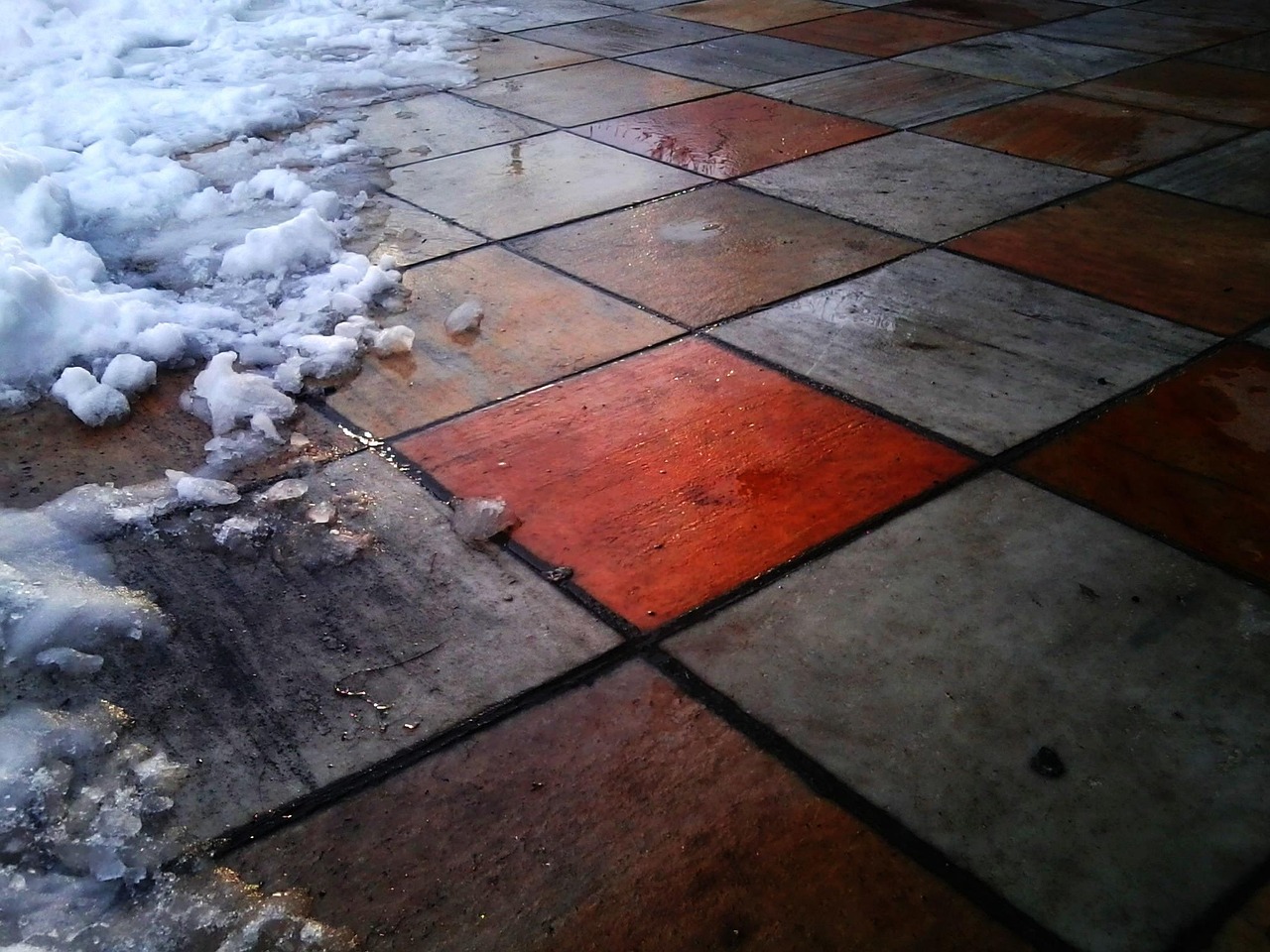
Winter in Fargo, ND, has a way of following you right through the front door. Between snow-covered boots, icy sidewalks, road salt, and the muddy slush that seems to collect everywhere, keeping your floors clean can feel like a never-ending chore. Your entryway might look spotless in the morning, only to be covered in white salt residue and dirty footprints by dinnertime. Even your kitchen and bathroom floors can take a beating when winter moisture gets tracked throughout the house. Fortunately, a few practical cleaning habits can help your tile flooring stay attractive throughout the coldest months.
The best way to maintain tile floors during a North Dakota winter is to remove tracked-in grit and deicing residue promptly, use cleaners suited to the tile and grout, control excess moisture, and inspect for developing cracks or grout damage. Properly installed tile is durable, but its performance still depends on the substrate, grout, movement accommodation, and regular care.
Here are a few things local homeowners should know:
- Road salt, sand, and grit tracked into Fargo homes can leave residue and gradually wear certain tile finishes.
- Entryway mats and regular sweeping help protect tile floors in West Fargo, Moorhead, and surrounding Red River Valley communities.
- Neutral-pH cleaners are generally a good starting point for routine ceramic and porcelain tile care, subject to manufacturer instructions.
- Grout sealers may help certain cementitious grouts resist staining, but not every grout type requires sealing.
- Cracked tiles, loose grout, and recurring moisture deserve attention before small problems become more extensive.
At Showcase Floors, we understand that flooring in North Dakota needs to handle more than ordinary household traffic. As a family-owned flooring store and contractor serving Fargo and communities within a 90-mile radius, we provide residential and commercial flooring solutions, including tile, hardwood, carpet, and vinyl. Our experienced team also handles demolition, floor leveling preparation, custom tile showers, backsplashes, and other installation projects. Whether you’re caring for existing flooring or considering an upgrade, we’re here to help you make practical decisions for your home.
Why Are Fargo Winters So Hard on Tile Floors?
Fargo winters can be challenging for tile floors because snow, ice, deicing products, and abrasive particles are repeatedly carried indoors. Although quality ceramic and porcelain tile can withstand substantial everyday use, the materials and joints still require appropriate maintenance to reduce staining, surface wear, and moisture-related problems.
Road Salt Leaves Behind Residue
During winter, deicing materials often collect on boots and shoes before being tracked indoors. Once the snow melts, these products may leave a cloudy white film across tile surfaces.
For homeowners in Fargo and West Fargo, this residue can be especially noticeable around entryways, mudrooms, and kitchen entrances. Regular removal is generally easier than allowing repeated deposits to accumulate.
Sand and Grit Can Wear Down Finishes
Sand and small particles carried in from sidewalks and parking areas can act as abrasives beneath shoes. Over time, repeated friction may dull certain finishes or contribute to visible wear.
Even durable tile benefits from regular dry cleaning that removes gritty debris before mopping. The appropriate cleaning method should also account for whether the floor is glazed porcelain, ceramic, or natural stone.
Melted Snow Creates Persistent Moisture
Snow-covered boots can introduce surprising amounts of water into an entryway. If it remains on the floor, moisture may enter vulnerable grout joints, transitions, or other openings.
Tile itself may be moisture-resistant, but the complete flooring assembly isn’t automatically waterproof. Keeping standing water under control helps protect nearby baseboards and other moisture-sensitive materials.
What Is the Best Way to Clean Tile Floors During Winter?
The best approach to winter tile floor cleaning is to remove loose debris first, use a manufacturer-approved cleaning solution, and avoid leaving dirty water or cleaning residue behind. Frequent light maintenance usually makes winter buildup easier to manage than occasional aggressive scrubbing.
Sweep or Vacuum Before Mopping
Always remove loose salt particles, sand, and dirt before wet cleaning. Otherwise, the mop may spread abrasive debris across the surface rather than removing it.
Use a soft-bristle broom or vacuum suitable for hard flooring. For heavily used entryways in Fargo homes, a quick daily cleaning may be worthwhile during snowy periods.
Choose the Right Cleaning Solution
A neutral-pH cleaner formulated for the specific flooring material is generally a practical option for routine tile care. Follow the product directions and the tile manufacturer’s recommendations for dilution and application.
Avoid assuming that stronger chemicals will provide better results. Acidic or highly alkaline cleaners can affect certain grout formulations, sealers, and natural stone surfaces.
Remove Salt Film Carefully
If salt residue remains after sweeping, use a suitable tile cleaner and a damp microfiber mop. Change the cleaning water as needed so dissolved residue isn’t continually spread across the floor.
Some buildup may require more than one cleaning pass. However, avoid using household vinegar or acidic cleaners unless the tile and grout manufacturers specifically approve them.
Dry the Floor After Cleaning
Excess water can remain in grout joints and along flooring transitions after mopping. Using a clean, dry microfiber cloth or mop helps remove lingering moisture.
This step is particularly helpful in entryways where fresh snow and slush may be tracked indoors shortly after cleaning. It also reduces the chance of leaving visible water spots or streaks.
How Can You Prevent Salt and Slush From Damaging Entryway Tile?
You can protect entryway tile by stopping as much snow, salt, and grit as possible before it reaches the main floor. A well-planned entryway setup helps reduce cleaning time and limits unnecessary exposure to abrasive debris and standing water.
Use Two Entry Mats
Place a durable scraping mat outside the door and an absorbent mat inside. The exterior mat helps remove coarse debris, while the interior mat collects remaining moisture.
For homes around Fargo, Horace, and Moorhead, choose mats that can handle repeated winter use. Clean and dry them regularly so they don’t become additional sources of salt and dirt.
Create a Designated Boot Area
A waterproof boot tray gives family members and guests somewhere to leave snowy footwear. This simple addition can reduce the amount of melted snow spreading across your tile flooring.
If space allows, consider adding a bench or storage area near the entrance. Making it easy to remove footwear encourages everyone to follow the routine.
Clean Up Slush Promptly
Leaving puddles in place increases the chance that moisture will reach vulnerable joints or adjacent materials. Wipe up melted snow as soon as practical, especially near walls and transitions.
Also inspect nearby trim and baseboards for swelling or discoloration. These signs may indicate that moisture is affecting materials beyond the tile surface.
What Are the Best Grout Cleaning Tips for North Dakota Homes?
The best grout cleaning tips for North Dakota homes involve removing winter residue regularly, using cleaners compatible with the grout, and checking for cracks or deterioration. Grout care matters because the joints between tiles can collect dirt and may be more susceptible to staining than the tile itself.
Use a Gentle Brush
A soft nylon brush can help remove dirt from grout lines without unnecessarily abrading the surrounding surface. Use it with a cleaner approved for the grout material.
Avoid wire brushes or aggressive grinding tools. These can damage grout joints, protective sealers, or the edges of certain tiles.
Understand Different Grout Types
Traditional cementitious grout has different maintenance characteristics from epoxy or certain high-performance grouts. Some cementitious formulations benefit from sealing, while other products may not require it.
For homeowners in Fargo, the first step is identifying the grout type whenever possible. The manufacturer’s recommendations should guide cleaning and protective treatment.
Know When Sealing Is Appropriate
A grout sealer may help certain grout joints resist staining and make routine cleaning easier. However, sealing doesn’t make a tile installation waterproof or repair damaged grout.
Before applying a sealer, the joints should be appropriately cleaned and allowed to dry according to the product instructions. Using a compatible product is important for achieving the intended result.
Watch for Grout Deterioration
Crumbling, missing, or repeatedly cracking grout may indicate movement or another installation problem. Applying a new layer of grout without addressing the cause may not provide a lasting solution.
We can evaluate visible flooring problems and discuss whether a localized repair or broader installation work may be appropriate. Identifying the reason for deterioration helps guide the next step.
Can Freezing Temperatures Cause Indoor Tile Floors to Crack?
Freezing temperatures can contribute to tile damage in certain circumstances, especially where moisture enters vulnerable assemblies and experiences freeze-thaw cycles. However, indoor tile floors in properly heated homes are less likely to crack directly from outdoor freezing temperatures than exposed or unconditioned installations.
Temperature Changes and Material Movement
Tile, mortar, grout, and supporting substrates respond differently to temperature and moisture changes. When movement isn’t properly accommodated, stress can develop within the flooring assembly.
For Fargo homes with heated interiors, the greater concern may be substrate movement or installation deficiencies rather than the outdoor temperature alone. A professional assessment can help identify the most likely cause.
The Importance of Movement Joints
Tile installations require appropriately located movement joints, including at certain perimeters and transitions. These joints help accommodate expected changes within the assembly.
Filling every joint with rigid grout can restrict movement and contribute to problems. Professional tile installation should follow applicable industry standards for movement accommodation.
Heated Floors and Temperature Changes
Radiant floor heating can make tile bathrooms and kitchens more comfortable during North Dakota winters. However, heating systems and tile materials must be installed and operated according to manufacturer instructions.
Rapid or inappropriate temperature changes may place additional stress on some assemblies. Following recommended startup procedures and operating limits helps protect the installation.
What Are the Warning Signs That Your Tile Floor Needs Professional Attention?
Tile floors may need professional attention when cracks, loose sections, grout deterioration, or recurring moisture begin affecting the installation. While ordinary surface dirt can usually be handled through routine cleaning, repeated or expanding damage may indicate a problem beneath the visible tile.
Watch for these warning signs:
- Tiles that rock or move when stepped on.
- Cracks spreading across multiple tiles.
- Grout that repeatedly separates from tile edges.
- Hollow-sounding areas accompanied by movement or cracking.
- Moisture appearing along tile joints without an obvious source.
- Loose or damaged tiles near entryways and exterior doors.
- Cracked transitions between rooms or flooring materials.
- Recurring discoloration that doesn’t improve with appropriate cleaning.
These symptoms don’t always indicate a major structural problem. However, homeowners throughout Cass County and nearby Clay County should have persistent damage evaluated before simply covering it with new grout or sealant.
How Does Professional Tile Installation Affect Winter Durability?
Professional tile installation helps support winter durability by addressing substrate stability, surface preparation, appropriate bonding materials, and movement accommodation. The finished tile may be highly durable, but the installation system beneath it plays an equally important role in long-term performance.
Preparing the Subfloor
Before installing tile, the supporting surface should be evaluated for flatness, damage, and excessive movement. Problems with the subfloor can contribute to cracked tiles or grout regardless of the quality of the finish material.
At Showcase Floors, we offer demolition and floor leveling preparation services as part of our flooring solutions. These services help address conditions that may interfere with a successful installation.
Choosing Suitable Tile Materials
Ceramic, porcelain, and natural stone materials have different characteristics related to water absorption, maintenance, and surface durability. The best choice depends on the room, expected traffic, and installation conditions.
For Fargo entryways, dense porcelain tile may be worth considering because of its generally low water absorption and wear resistance. However, slip resistance and surface texture also deserve attention when wet footwear is common.
Using Compatible Installation Products
Mortars, grouts, membranes, and sealants should be selected according to the tile, substrate, and application. Different systems have specific preparation, curing, and installation requirements.
Our experienced installation team considers these details when working on residential and commercial flooring projects. Proper preparation and installation can help reduce avoidable problems over time.
What Should You Avoid When Cleaning Tile Floors in Winter?
Homeowners should avoid cleaning methods that damage grout, leave residue, or create unnecessary moisture exposure. Some common household products may seem convenient but can be unsuitable for particular tile finishes or installation materials.
Avoid Harsh Acidic Cleaners
Vinegar and other acidic solutions are sometimes recommended for removing mineral deposits. However, these products can damage natural stone and may affect cementitious grout or certain protective treatments.
Instead, select a cleaner specifically approved for your flooring material. When in doubt, consult the product manufacturer or a flooring professional.
Don’t Use Excessive Water
Soaking the floor during cleaning can introduce unnecessary moisture into vulnerable joints, transitions, and adjacent materials. A damp mop is generally preferable to flooding the surface.
This is especially important when cleaning after snowstorms. Remove standing water and dry the floor rather than allowing winter slush to sit for extended periods.
Skip Abrasive Scrubbing Tools
Steel wool, aggressive brushes, and unsuitable scrubbing pads can scratch or dull certain tile finishes. They may also damage grout or protective treatments.
Use nonabrasive tools designed for the flooring material. For stubborn stains, a compatible specialty cleaner is often a better starting point than aggressive mechanical scrubbing.
How Often Should Tile Floors Be Cleaned During a Fargo Winter?
Tile floors should be cleaned according to traffic levels, the amount of tracked-in debris, and the flooring manufacturer’s care instructions. During Fargo winters, entryways and mudrooms may need more frequent attention than kitchens, bathrooms, or lower-traffic areas.
Daily or As Needed
Remove visible snow, salt, and grit from heavily used entrances. Wipe up standing water promptly and empty boot trays when necessary.
Homes with children, pets, or frequent visitors may benefit from quick daily maintenance. The goal is to prevent winter debris from remaining on the floor longer than necessary.
Weekly Cleaning
For many households, a regular cleaning with a suitable neutral-pH product can help remove accumulated residue. Adjust the schedule based on the condition of the floor and how frequently it is used.
Use clean water and appropriate tools to prevent streaks. Allow the floor to dry before replacing rugs or mats.
Seasonal Inspection
At the beginning and end of winter, inspect grout joints, transitions, and high-traffic areas for signs of wear. Check whether mats are trapping moisture and whether protective treatments need attention.
If you notice cracking, loose tiles, or recurring dampness, professional guidance may be appropriate. Addressing developing problems early can help avoid unnecessary disruption.
Frequently Asked Questions About Winter Tile Floor Maintenance in Fargo, ND
What is the best way to remove road salt from tile floors?
Remove loose particles first, then clean the floor using a manufacturer-approved tile cleaner and a damp microfiber mop. Change the cleaning water as necessary and dry the surface to prevent residue from remaining.
Can road salt damage porcelain tile in Fargo homes?
Porcelain tile generally offers strong durability, but tracked-in grit can contribute to surface wear, and deicing residue may affect grout or adjacent materials. Prompt cleaning and protective entry mats help reduce these concerns.
How often should grout be cleaned during North Dakota winters?
Grout should be cleaned as often as needed to prevent heavy buildup, particularly in busy entryways. Regular gentle cleaning is generally preferable to infrequent aggressive scrubbing that may damage the joints.
Does grout sealer prevent water damage?
No, grout sealer is primarily intended to help certain grout materials resist staining and moisture absorption. It doesn’t replace a properly designed waterproofing system or repair cracks and other defects in the installation.
Why are my tile floors cracking during winter?
Cracking may result from substrate movement, inadequate installation preparation, missing movement joints, or other conditions. Outdoor freezing temperatures alone don’t establish the cause of cracks inside a heated home, so persistent damage should be evaluated.
Are heated tile floors suitable for Fargo bathrooms?
Heated tile flooring can be a comfortable option for bathrooms in Fargo and surrounding communities. The heating system, tile, substrate, and installation materials must be compatible and installed according to the applicable requirements.
Can I use vinegar to clean grout in my North Dakota home?
Vinegar isn’t a universal grout cleaner and may damage certain grout materials, sealers, or natural stone surfaces. A manufacturer-approved cleaning product is generally a safer choice for routine maintenance.
When should I call a tile flooring expert in Fargo?
Contact a flooring professional when tiles become loose, cracks spread, grout repeatedly fails, or moisture appears without an obvious cause. These conditions may require more than ordinary cleaning or surface maintenance.
Does Showcase Floors install new tile flooring?
Yes, we provide tile installation for residential and commercial properties, along with demolition and floor leveling preparation services. We also specialize in custom walk-in showers, tile backsplashes, walls, and fireplaces.
Keep Your Tile Floors Looking Their Best All Winter Long
Winter in Fargo doesn’t have to mean giving up on clean, attractive tile floors until spring arrives. With a few practical habits, you can reduce the buildup of road salt, sand, and moisture while helping protect the finish and grout. Regular sweeping, appropriate cleaning products, absorbent entry mats, and prompt attention to damage can all contribute to better long-term flooring care. However, maintaining tile involves more than cleaning the visible surface. Stable subfloors, compatible installation materials, appropriate movement joints, and sound grout also influence how well a floor handles years of everyday use. For homeowners throughout Fargo, West Fargo, and nearby Red River Valley communities, combining routine care with quality installation is a sensible way to protect your flooring.
At Showcase Floors, we know that North Dakota homes need flooring that can handle demanding winters and busy daily routines. As a family-owned flooring store and contractor, we’re proud to serve residential and commercial customers throughout Fargo and communities within a 90-mile radius. Our team provides tile installation, hardwood, carpet, vinyl, demolition, leveling preparation, and custom tile work for showers, backsplashes, walls, and fireplaces. Whether you’re concerned about cracked grout, thinking about replacing worn flooring, or planning an entirely new tile installation, we’re happy to discuss the available options. We focus on quality materials, careful preparation, and dependable workmanship to help you choose flooring suited to your space and lifestyle.
Get Your Tile Floors Winter-Ready With Showcase Floors
Our team can help you explore durable tile options, discuss installation concerns, and plan flooring improvements suited to North Dakota’s demanding conditions. So contact Showcase Floors in Fargo to learn more about our services and request a free estimate.